Best Timing for Brick Repointing
Brick repointing is a crucial maintenance process that involves renewing the external mortar joints of brickwork to preserve structural integrity and appearance. Proper timing ensures optimal results and longevity of the brickwork. The best time for repointing typically depends on weather conditions, mortar condition, and the age of the brick structure.
Spring and early fall are ideal for brick repointing due to moderate temperatures and lower humidity levels, which facilitate proper mortar curing.
Repointing should be avoided during extreme cold, hot, or rainy weather, as these conditions can affect mortar adhesion and curing.
Cracked, crumbling, or missing mortar joints signal the need for repointing to prevent water infiltration and damage to the brickwork.
Climate variations influence mortar performance; consistent moderate temperatures help ensure durable and long-lasting repointing results.
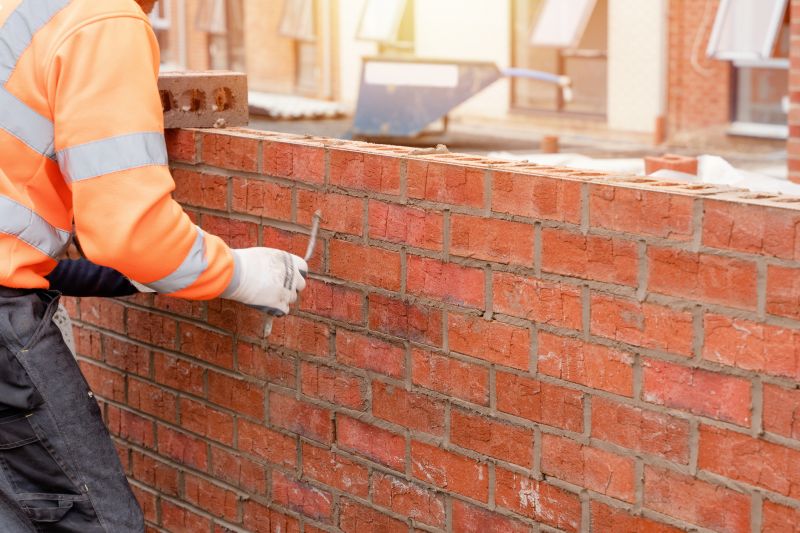
Spring offers ideal conditions for mortar application and curing, reducing the risk of damage from adverse weather.
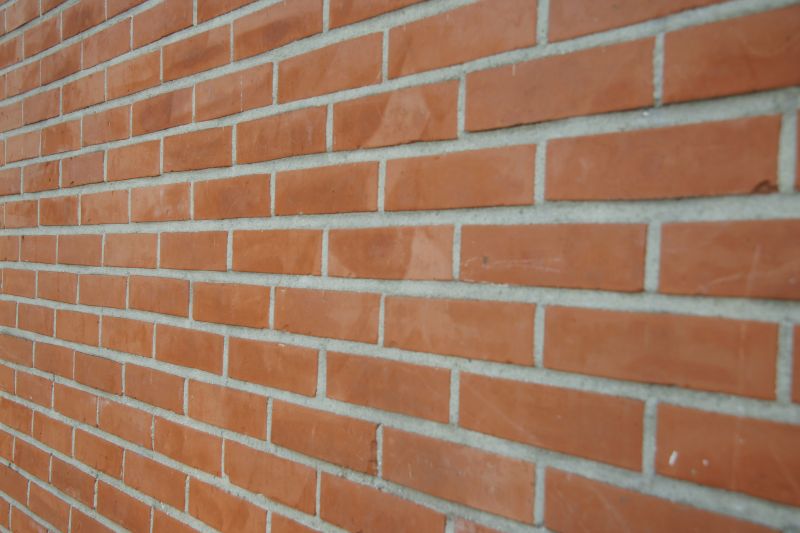
Mild weather ensures mortar adheres properly and reduces issues related to rapid drying or excessive moisture.
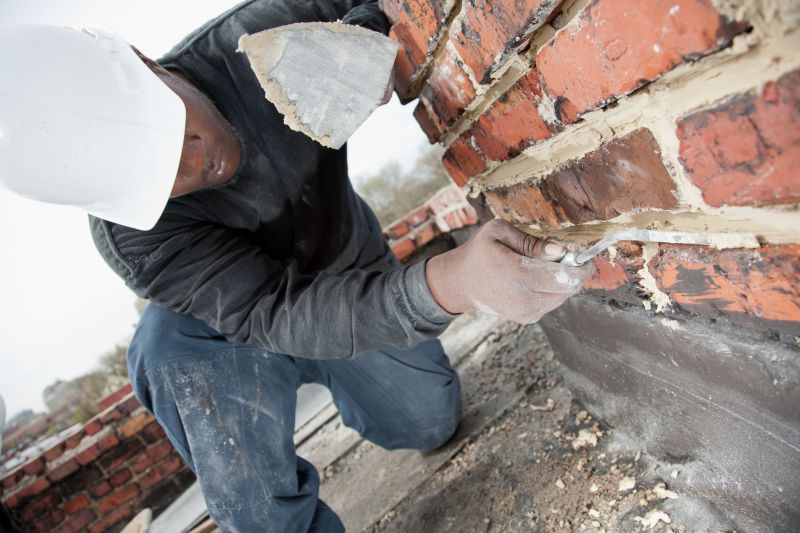
Fall's moderate temperatures help in achieving durable mortar bonds before winter.
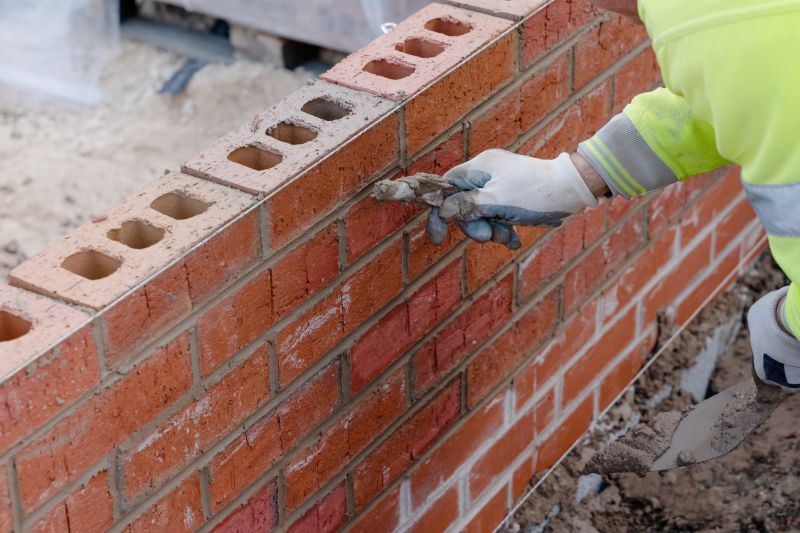
Ways to make Brick Repointings work in tight or awkward layouts.
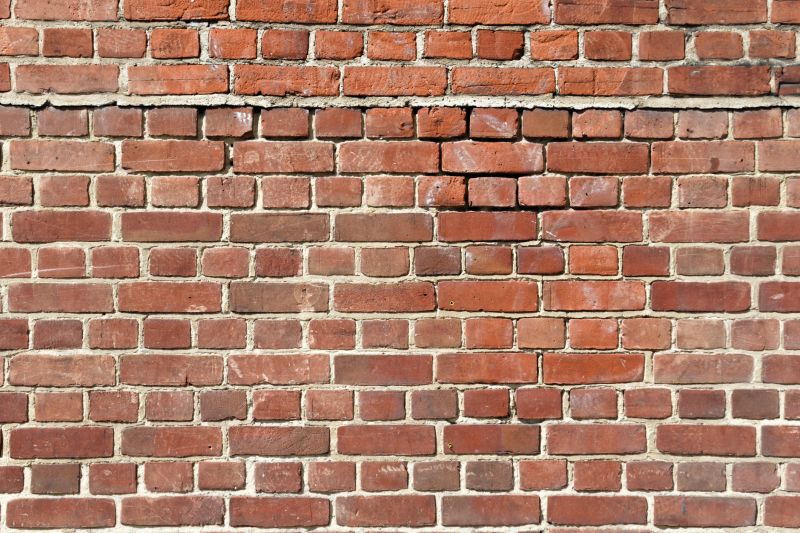
Popular materials for Brick Repointings and why they hold up over time.
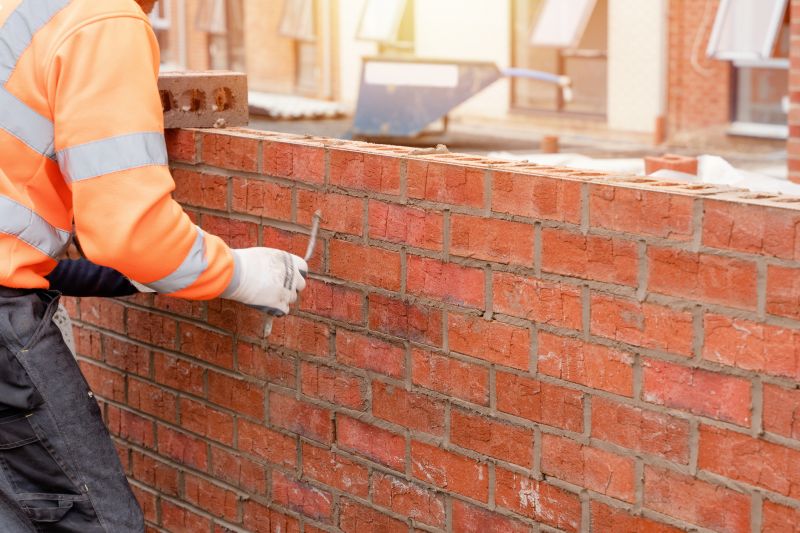
Simple add-ons that improve Brick Repointings without blowing the budget.
| Season | Best Practices |
|---|---|
| Spring | Ideal for mortar application; moderate temperatures and low humidity. |
| Summer | Avoid during peak heat; early morning or late afternoon work recommended. |
| Fall | Suitable for repointing; ensure mortar cures before winter. |
| Winter | Generally discouraged due to freezing temperatures affecting mortar curing. |
| Rainy periods | Repointing should be postponed to prevent mortar washout and poor adhesion. |
Brick repointing enhances the durability and appearance of brick structures by replacing deteriorated mortar joints. Proper timing ensures that the mortar sets correctly, preventing future damage caused by water infiltration, freeze-thaw cycles, and structural weakening. Regular inspections can help determine when repointing is necessary, typically influenced by environmental conditions and mortar condition.
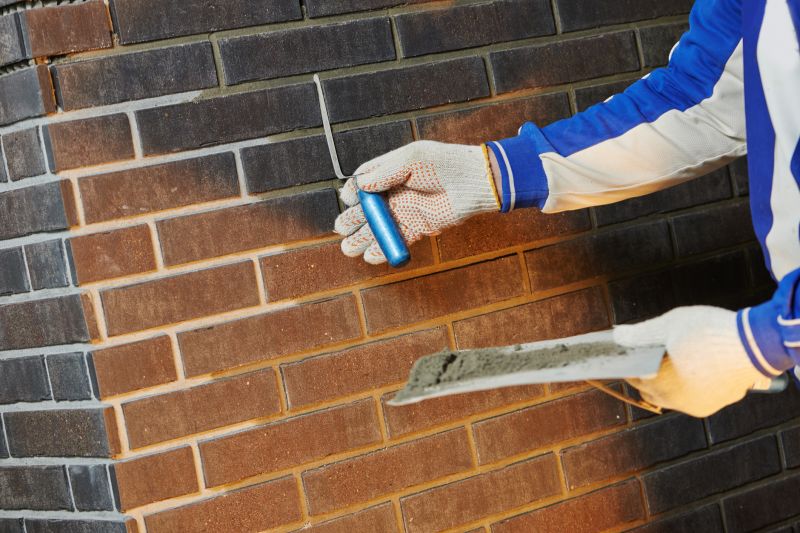
A professional process involving removal of old mortar and application of fresh mortar for lasting results.
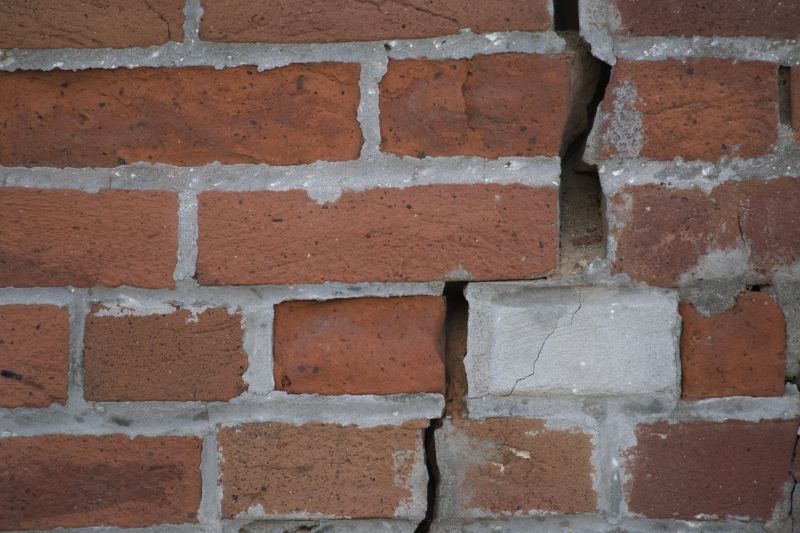
Visible cracks and crumbling mortar indicate the need for timely repointing.
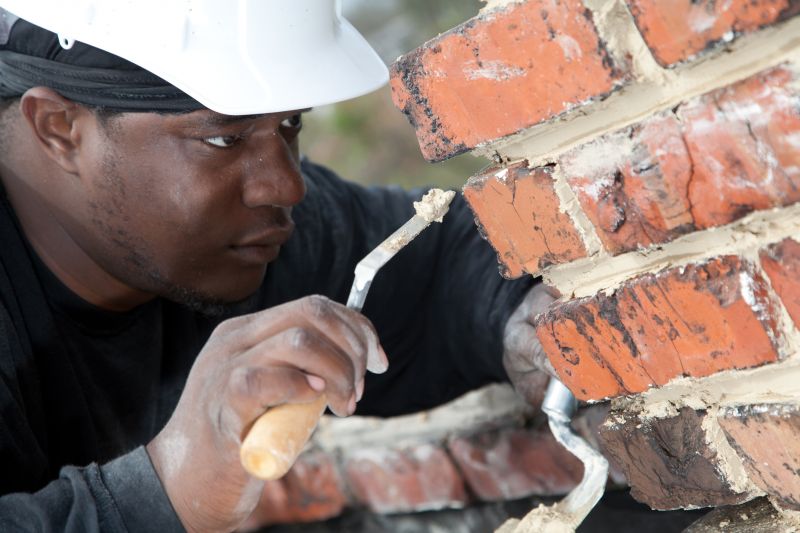
Restored joints improve structural integrity and aesthetic appeal.
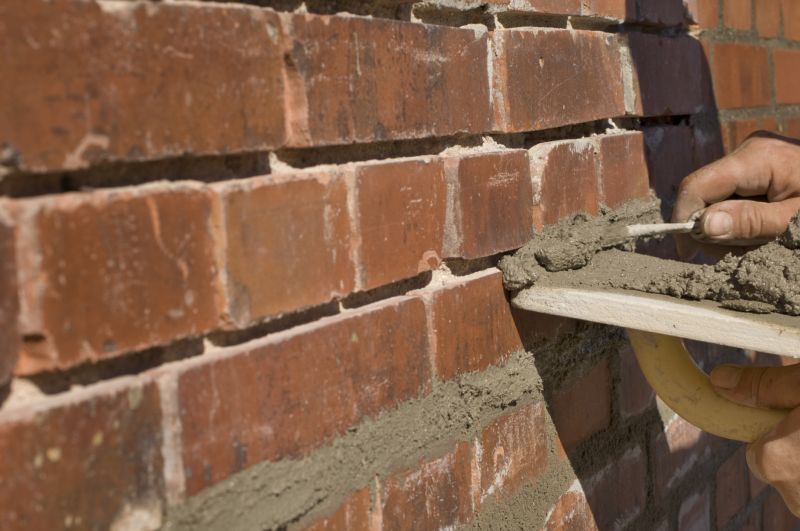
Specialized tools ensure precise mortar removal and application for high-quality results.
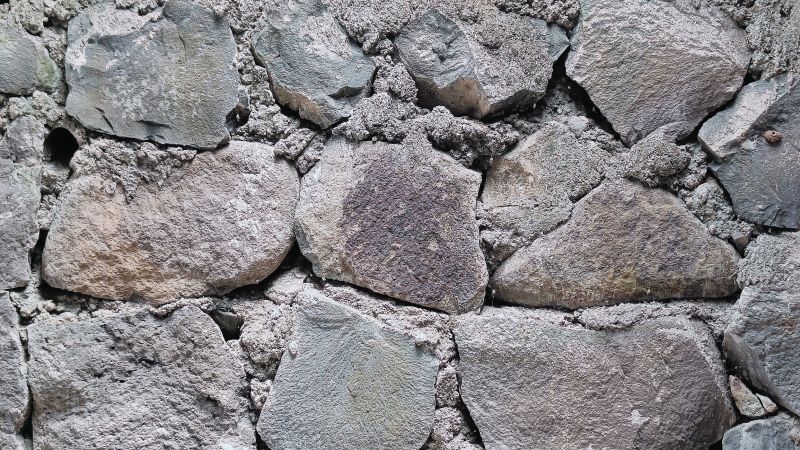
High-end options that actually feel worth it for Brick Repointings.
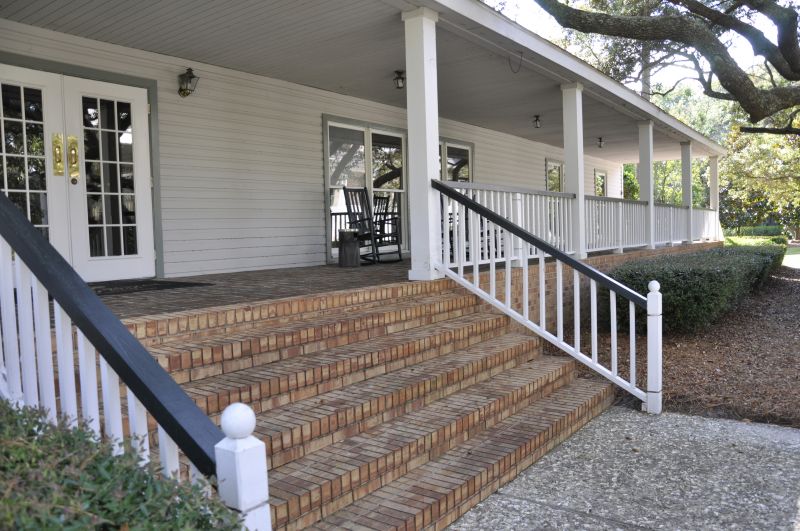
Finishes and colors that play nicely with Brick Repointings.
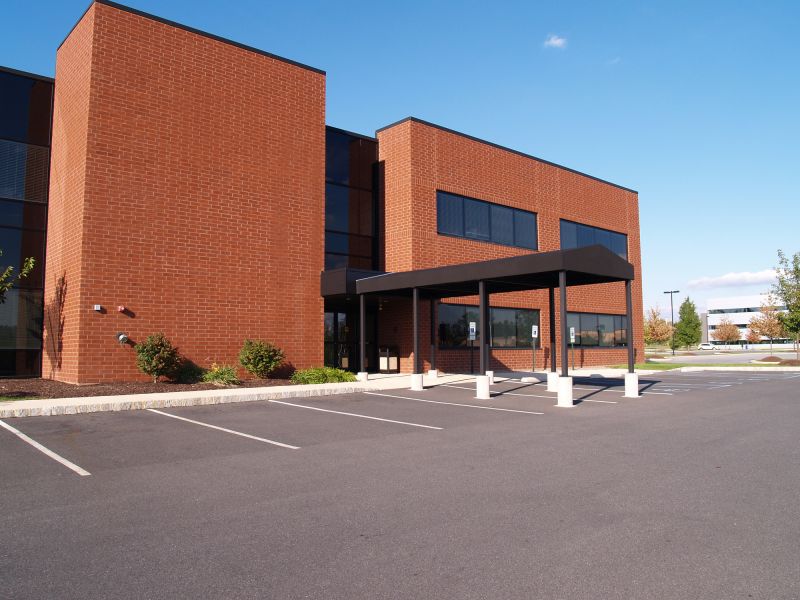
Little measurements that prevent headaches on Brick Repointings day.
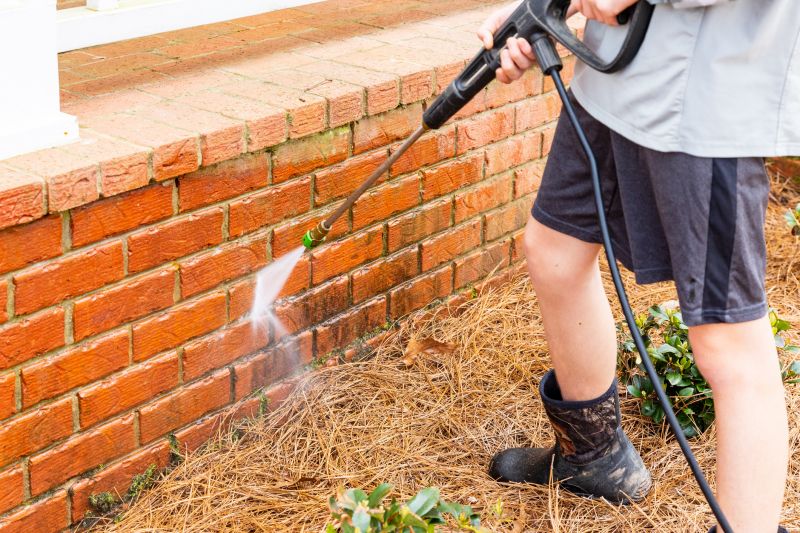
A 60-second routine that keeps Brick Repointings looking new.
Timely brick repointing preserves the longevity of brick structures and maintains their visual appeal. Consulting with a professional can help determine the optimal timing based on specific conditions and local climate patterns. Interested parties are encouraged to contact for further guidance and assessment.