
Expert Picks For Brick Repointing Materials That Ensure Lasting Repairs
Find out which tools and compounds professionals recommend for efficient and durable brick joint restoration.
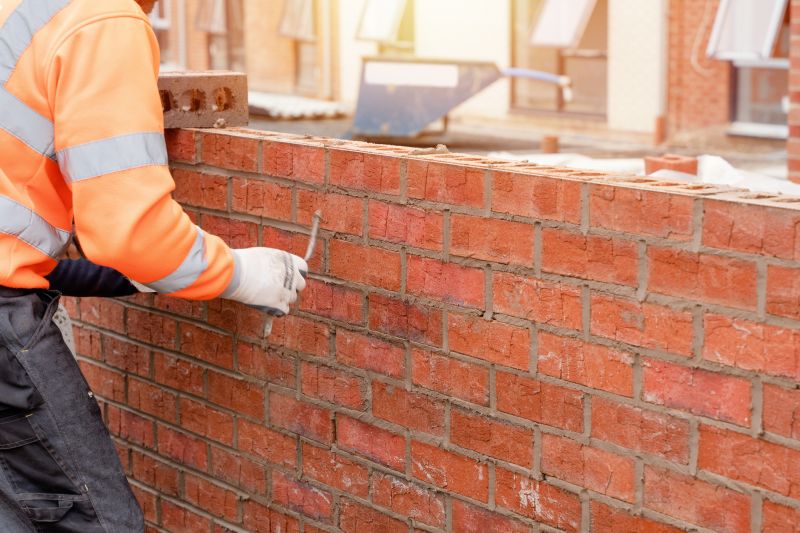 Repointing brickwork is a crucial maintenance task that helps preserve the structural integrity and aesthetic appeal of brick structures. It involves removing deteriorated mortar from between bricks and replacing it with fresh mortar, which can prevent water ingress, reduce damage from weathering, and restore the overall appearance of the wall. Proper repointing not only maintains the durability of brick surfaces but also enhances their visual appeal, making it an essential process for historic restorations, residential buildings, and commercial facades.
Top Overall Option
Mortar Mix for Brick Repointing
A versatile and easy-to-apply mortar mix designed specifically for brick repointing projects. It offers good adhesion, workability, and compatibility with various brick types, making it suitable for both DIY enthusiasts and professionals. The formulation supports durable, weather-resistant joints while allowing for color matching and finishing adjustments.
Types of Products For Brick Repointings
Pre-mixed Repointing Mortar
Convenient ready-mixed mortar suitable for small repairs and touch-ups, offering ease of use and consistent results.
Mortar Color Additives
Products designed to customize mortar color for seamless blending with existing brickwork.
Joint Rakes and Chisels
Tools used to remove old mortar from joints, preparing surfaces for new mortar application.
Pointing Trowels
Specialized trowels for applying and shaping mortar in joints for a clean finish.
Brushes and Cleaning Tools
Tools for cleaning joints and removing debris before mortar application to ensure adhesion.
Hydraulic Lime Mortar
Traditional lime-based mortar for historic brickwork, offering flexibility and breathability.
Polymer-Modified Mortar
Enhanced mortar with polymers for improved adhesion and flexibility, suitable for challenging conditions.
Flexible Sealants
Sealants used to fill small cracks and gaps, providing additional weatherproofing.
Mortar Repair Kits
Complete kits containing all necessary components for small to medium brick repairs.
Joint Sand and Grout
Materials used to fill larger gaps or for finishing mortar joints with added stability.
Mortar Color Stains
Stains that can be applied to match or alter mortar color for aesthetic consistency.
High-Strength Repair Mortar
Heavy-duty mortar designed for structural repairs and areas exposed to high stress.
Popular Choices
A popular option for quick repairs, offering convenience and consistent results.
Widely used for blending new mortar with existing brickwork for a seamless look.
Common tools for preparing joints before applying new mortar.
Essential for shaping and smoothing mortar joints during repointing.
Popular for cleaning joints and removing debris prior to mortar application.
Chosen for historic restoration projects requiring breathable, flexible mortar.
Favored for its enhanced adhesion and flexibility in challenging environments.
Used for sealing small cracks and gaps to improve weather resistance.
Popular for DIY projects, providing all-in-one solutions for small repairs.
Commonly used for filling wider gaps and finishing mortar joints.
Selected for aesthetic matching and customizing mortar appearance.
Preferred for structural repairs requiring durable, long-lasting mortar.
Choosing the right products for brick repointing is vital for achieving effective results. The process typically requires a variety of tools and materials, such as specialized mortar mixes, pointing trowels, joint rakes, and brushes. The selection of these products depends on the type of bricks, the condition of the existing mortar, and the desired finish. High-quality materials can make the repointing process more efficient, reduce waste, and ensure a longer-lasting repair.
Different projects may call for specific products, from simple mortar repair kits to advanced tools designed for precision work. For example, some products are formulated to match the color and texture of existing mortar, helping to maintain the original look of historic brickwork. Others are designed for quick application or for use in difficult-to-reach areas. Understanding the characteristics of each product type can help homeowners and professionals alike select the most suitable options for their particular needs.
Proper preparation and application techniques are also essential. This includes cleaning the joints thoroughly, removing loose mortar, and ensuring the new mortar is compatible with the existing brickwork. Using the right tools and products can prevent future issues such as cracking, crumbling, or water infiltration. Whether undertaking a small repair or a large restoration project, selecting the appropriate products is a key step toward achieving durable, attractive results.
Key Buying Considerations
- Compatibility with existing brick and mortar type to ensure proper adhesion and appearance.
- Color matching options to blend seamlessly with current brickwork.
- Ease of application, especially if undertaking DIY repairs, including tools and mixing requirements.
- Durability and weather resistance of the mortar or product for long-term performance.
- Workability time, allowing sufficient time for shaping and finishing mortar joints.
- Compatibility with historic or traditional brickwork if restoration is a priority.
- Type of mortar (e.g., lime-based, cement-based) suitable for the specific project needs.
- Tools required for removal of old mortar and application of new material.
- Environmental conditions during application, such as temperature and humidity, which can affect curing.
- Cost and availability of products, considering the scope of the project.
- Brand reputation and product reviews to gauge reliability and effectiveness.
- Maintenance requirements after repointing to ensure longevity.
- Safety considerations, including proper handling and protective gear during application.
- Flexibility and movement accommodation for areas prone to expansion or contraction.
- Compatibility with existing structural elements to prevent damage or failure.
This content contains affiliate links. We may earn a commission if you purchase through these links, at no additional cost to you.